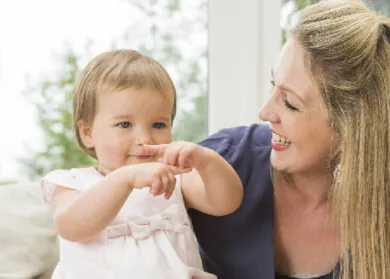
Baby Sign Language & Language Classes
Wouldn't it be wonderful if your baby could tell you they're hungry, tired, or want more, before they can speak?
That's not wishful thinking. It's what baby sign language makes possible.
For parents of pre-verbal little ones, the months before speech can feel like an endless guessing game. Cries, points, frustrated gestures—you're trying to understand, but the gap between what they want and what they can communicate creates tension for everyone.
Baby sign language bridges that gap.
It gives babies and toddlers a way to express themselves before spoken words arrive. And it does something deeper too: it strengthens the bond between you, reduces frustration on both sides, and sets the foundation for confident communication as they grow.
What Baby Sign Language Actually Is
Baby sign language uses simple hand gestures to represent everyday words—milk, more, finished, sleep, play.
These aren't complex signs. They're adapted from British Sign Language (BSL) or created specifically for tiny hands still developing fine motor control.
Babies typically start signing between 8-12 months, often before they can say their first words. Some start earlier. Some take a little longer. Every child moves at their own pace, and that's exactly as it should be.
What matters is this: signing gives them a voice when spoken language isn't ready yet.
Classes make it easier. A skilled instructor shows you the signs, builds them into songs and play, and helps you use them naturally at home. You're not memorising a dictionary—you're learning a handful of practical signs that fit into your daily routines.
The Communication Breakthrough Parents Notice
The impact of baby sign language often surprises parents.
One week, your baby is crying because they want something you can't identify. The next, they're signing "more" at snack time or "finished" when they've had enough.
That clarity changes everything.
Frustration drops. Babies get upset when they can't make themselves understood. Signing reduces that tension because they finally have a way to be heard.
Confidence grows. When a baby realises their gestures have meaning—that signing "milk" brings milk—they light up. They've discovered they can influence the world around them.
Connection deepens. Every time you respond to a sign, you're telling your baby: I see you. I understand you. What you're trying to say matters.
And here's what often gets overlooked: baby sign language isn't just for babies. Toddlers who are speaking but still building vocabulary use signs to fill the gaps. It supports communication at every stage of early development.
How Baby Signing Supports Language Development
There's a common worry: will signing delay speech?
The research is clear. It doesn't.
In fact, baby sign language often accelerates language development. Children who sign tend to develop larger vocabularies and more complex sentence structures as they grow.
Why? Because signing reinforces the concept that communication works. It shows babies that symbols (gestures now, words later) represent things in the world. That understanding transfers directly to spoken language.
Cognitive benefits are real. Signing strengthens memory, encourages symbolic thinking, and builds focus. Babies learn to connect a gesture with an object, an action, an emotion—skills that underpin all learning.
Social skills develop earlier. Babies who can communicate their needs are less likely to act out in frustration. They learn turn-taking through signed conversations. They engage more actively with caregivers and other children.
For bilingual families, baby signing classes offer something especially valuable. Signs provide a bridge between languages. A baby learning English and Bengali, for example, can use the same sign for "milk" regardless of which spoken language is being used. It creates continuity and reduces confusion during a complex learning period.
What to Expect in Baby Sign Language Classes
Baby signing classes UK-wide follow a similar rhythm, though each provider adds their own style.
Sessions typically last 30-45 minutes. Too short and babies don't engage. Too long and attention fades.
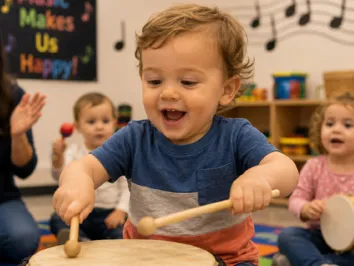
Classes are structured around songs, stories, and play. Instructors weave signs into familiar nursery rhymes, so babies see the same gestures repeatedly in a context they enjoy. Repetition matters. Babies need to see a sign multiple times before they start using it themselves.
You'll learn 5-10 core signs in the first few weeks—words like "milk," "more," "eat," "sleep," and "all done." From there, you can add signs that fit your family's life. If your baby loves dogs, you'll learn the sign for "dog." If bath time is their favourite, "bath" goes on the list.
Classes are social. You'll meet other parents navigating the same stage. Babies watch each other, which often speeds up learning. And you'll leave with ideas for using signs at home, where the real practice happens.
Instructors also teach you how to teach. Signing works best when it's woven into daily life, not treated as a lesson. You'll learn to sign naturally—during nappy changes, mealtimes, storytime—so your baby sees signs in the moments they're most relevant.
Bilingual Baby Classes: A Gift for Multilingual Families
For families raising children in more than one language, baby language classes offer reassurance during what can feel like a complicated process.
Bilingual baby classes celebrate linguistic diversity. Instructors use songs and activities in multiple languages, showing children that switching between languages is natural and valuable.
These classes help parents too. If you're worried about confusing your child or mixing languages "incorrectly," a bilingual baby class demonstrates that children's brains are built for this. They won't struggle—they'll thrive.
The benefits of bilingualism are well-documented. Children who grow up speaking multiple languages develop stronger problem-solving skills, greater cognitive flexibility, and deeper cultural understanding. Baby language classes support that foundation.
How Little Starts Gift Cards Work for Language & Signing Classes
Little Starts Gift Cards give families access to baby signing classes across the UK from trusted providers like TinyTalk, BillinguaSing, and more.
Here's what makes this different from booking a single class directly:
Choice. Families can try different providers, find the instructor and style that fits, and switch if their needs change. Not every class works for every baby. Having options removes the pressure to commit before you know what works.
Flexibility. Life with a baby is unpredictable. A gift card means families can book when it suits them, rather than feeling locked into a term they might not finish.
No waste. If a baby isn't ready for signing classes yet, or if a family wants to try swimming first, the card still holds value. It's not a single-use voucher. It's a gift that adapts.
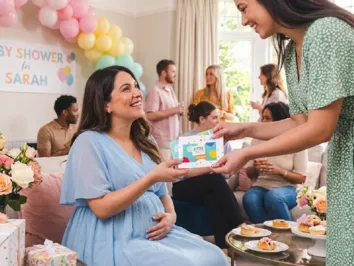
For gift buyers—grandparents, friends, colleagues—a Little Starts Gift Card is the alternative to another toy that gets outgrown in three months. It's the gift of communication, confidence, and connection. The kind of gift that genuinely supports a child's development.
Why Language & Signing Classes Matter Beyond the Signs
The real value of baby sign language isn't just the signs themselves.
It's what happens when a baby realises they can communicate. When they sign "more" and you respond. When they sign "all done" and you respect that boundary.
You're teaching them their voice matters. That they can express needs, make choices, be understood.
That's a foundation that lasts far beyond the first year.
And for parents, there's something profound about understanding your baby before words arrive. The guessing game eases. The frustration lifts. You're communicating, truly communicating, months earlier than you thought possible.
That's not just convenient. It's connection.
Ready to explore baby signing classes?
Discover the language and signing classes available near you - or gift the opportunity to a family you care about. Find Baby Sign Language & Language Classes.